
Real Estate and Displacement
Inherent ViceThis flow traces how development and property ownership turn Los Angeles land into a site of ethnic displacement, class conflict, and competing visions of shelter.
increasing Bearing strength in each event
 decreasing
Bearing strength in each eventdecreasingA History of Removal
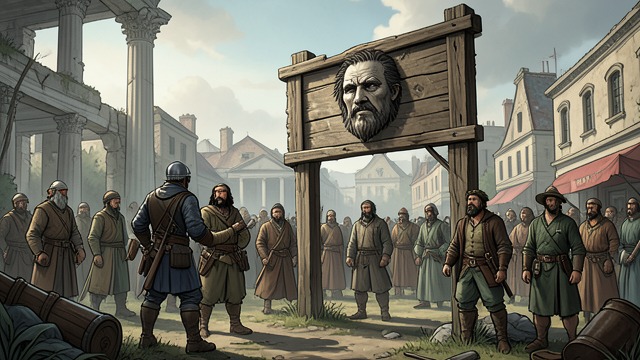
Los Angeles Built by Displacement
Earlier Communities
The novel recalls Japanese American incarceration during World War II and the movement of Black residents into neighborhoods left by those removals. Later development repeatedly breaks apart established communities.
Repeating the Pattern
Doc recognizes the clearance of Chavez Ravine and Bunker Hill as precedents for what happens to Tariq's neighborhood. Land changes hands while residents are described as obstacles to progress.
Channel View Rises
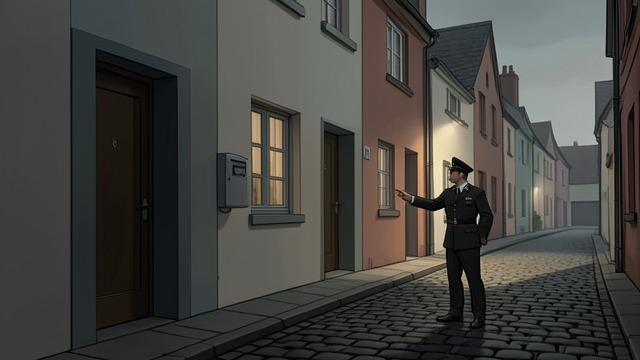
Homes on Cleared Ground
A Sales Landscape
Doc drives through Channel View Estates, where model homes and new foundations expand across former neighborhood land. The development promises family comfort while offering few signs of the community that came before.
Profit as Renewal
The project is described as a new concept from Mickey Wolfmann. Its polished marketing language makes displacement difficult to see, even though former residents remain nearby and are still searching for what has vanished.
Aunt Reet's Warning
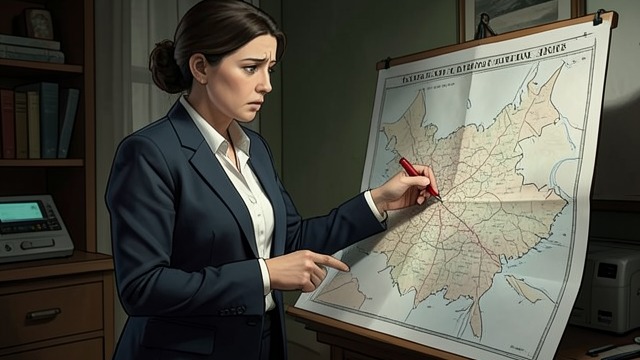
Property Knowledge and Power
A Realtor's Perspective
Aunt Reet understands land through deeds, water, family history, and local memory. She warns Doc that developers can make environmental destruction look like a routine business decision.
The Ambiguity of Ownership
Her expertise gives Doc access to the property world but does not make that world morally transparent. The question is not only who owns the land, but who has the power to decide what happens to it.
Mickey's Alternative Settlement
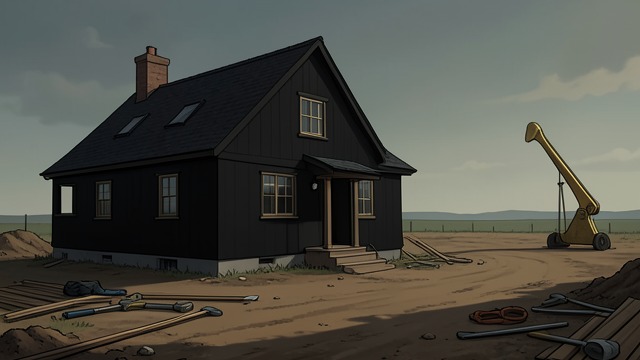
A Different Use for Land
Housing Without Rent
Mickey's plan for Arrepentimiento imagines free homes for people who arrive and find a vacant unit. It offers an alternative to the system in which shelter is priced and controlled.
An Unstable Utopia
The project remains unfinished and vulnerable to the decisions of its funder and contractors. Its ambition exposes how difficult it is to turn a moral insight into durable institutions.
The Owners Stay in Place
A Defense of Property
The Fixer's Worldview
Crocker describes property owners as people who have occupied Los Angeles for generations. He presents newcomers as a limitless supply of transients who can be excluded when necessary.
Class Conflict Made Plain
Doc says the dispute is about property values, while Crocker insists it is about remaining in place. Their argument reveals how appeals to stability can defend inherited power and justify force against those denied a secure home.
Before the novel's present-day events
Early in Doc's investigation
Before Doc visits Channel View Estates
As Doc learns about Arrepentimiento
During Doc's meeting with Crocker Fenway
